
St. Louis Cathedral in Jackson Square: The Heart of New Orleans History
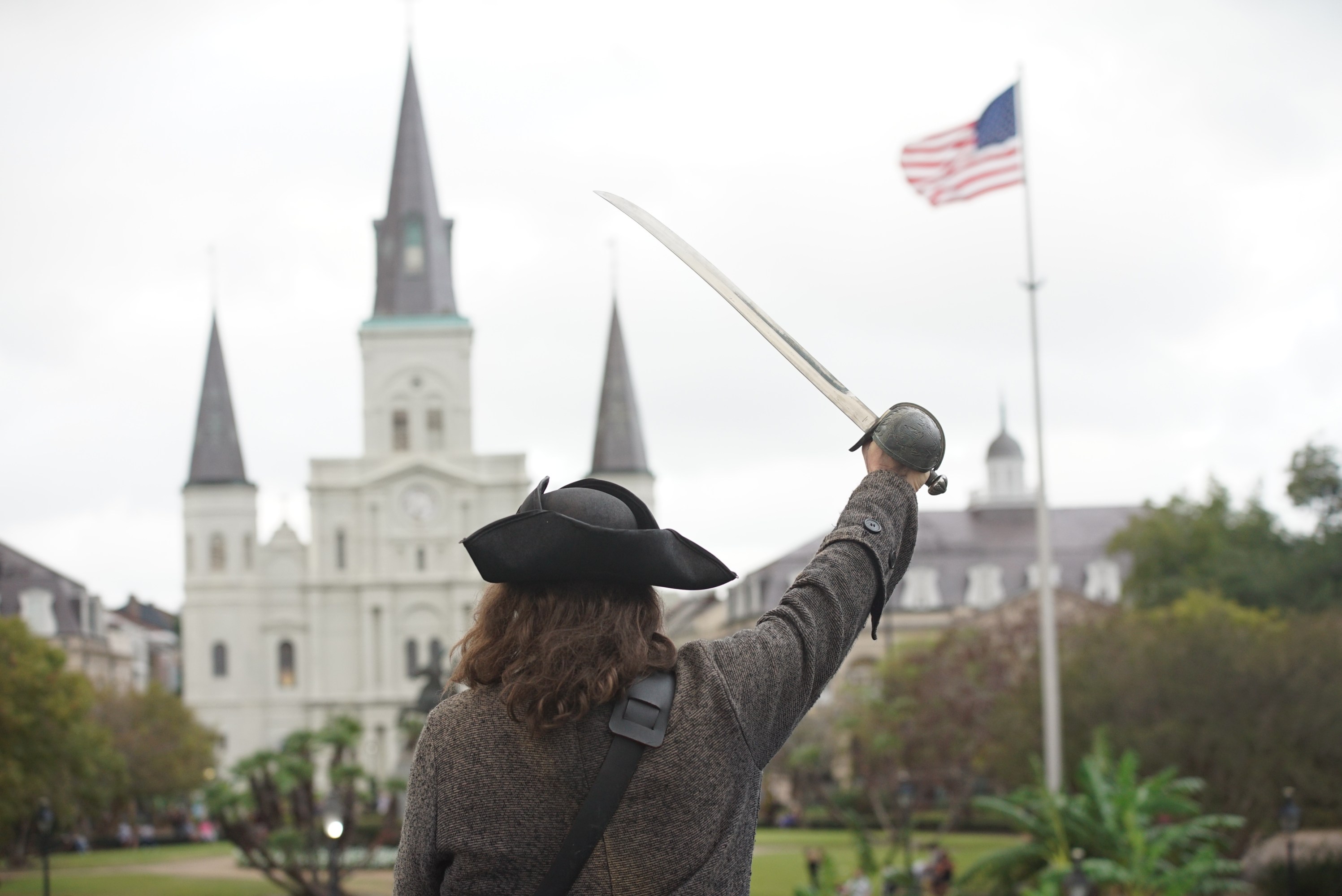
Standing at the center of Jackson Square, the iconic St. Louis Cathedral is more than just a postcard landmark—it is the oldest continuously active Catholic cathedral in the United States and one of the most historically significant sites in all of New Orleans.
For over 300 years, this cathedral has witnessed the rise, destruction, and rebirth of the city itself. From colonial beginnings and devastating fires to war, faith, and celebration, the story of St. Louis Cathedral is inseparable from the story of New Orleans.
The Birth of New Orleans and Its First Church
When Jean-Baptiste Le Moyne de Bienville founded New Orleans in 1718, the city plan included a central square—then called the Place d’Armes—and a church overlooking it. By 1722, a parish church stood on the very site where the cathedral rises today.
This wasn’t just a place of worship—it was the spiritual and civic center of the colony. In early New Orleans, the church stood at the intersection of religion, politics, and daily life. Weddings, funerals, military ceremonies, and public gatherings all centered around this space.
The first permanent church, completed in 1727, didn’t last. A hurricane damaged early structures, and the Great New Orleans Fire of 1788 burned the church to the ground.
Rebuilt Under Spanish Rule
After the devastating fire, New Orleans was under Spanish control—and it was the Spanish who rebuilt what would become the foundation of today’s cathedral.
With funding from Don Andrés Almonaster y Roxas, construction began on a larger, more impressive church. It was completed in 1794 and elevated to cathedral status shortly before that.
This structure anchored the square during one of the most important transitions in American history—the Louisiana Purchase.
Witness to the Louisiana Purchase
Just steps from the cathedral, in the neighboring The Cabildo, the Louisiana Purchase was finalized in 1803—doubling the size of the United States.
Imagine the moment: flags changing hands, empires shifting, and the future of the continent being decided—all within sight of St. Louis Cathedral.
The cathedral stood as a silent witness to this transfer of power, its bells marking a new era for New Orleans and the nation.
The Battle of New Orleans and a City at Prayer
In January 1815, as British forces advanced toward New Orleans, fear spread through the city. Residents gathered inside St. Louis Cathedral to pray for survival.
Legend holds that as Andrew Jackson prepared defenses, citizens—especially the Ursuline nuns—prayed through the night.
When news arrived of the American victory at the Battle of New Orleans, the cathedral bells rang in celebration. Soon after, architectural additions—including a central spire—commemorated that victory.
Fires, Expansion, and the Cathedral You See Today
While the 1794 structure forms the backbone of the cathedral, much of what visitors see today comes from expansions and renovations in the 1850s.
The cathedral’s triple spires, now one of the most recognizable features in New Orleans, rise above Jackson Square and frame the skyline of the French Quarter.
Inside, the cathedral has served generations of New Orleanians—hosting baptisms, weddings, funerals, and daily Mass for more than two centuries.
A Gathering Place for All of New Orleans
What makes St. Louis Cathedral unique isn’t just its age—it’s its role as a gathering place for the entire city.
From enslaved people and free people of color to governors, soldiers, and international visitors, the cathedral has welcomed all walks of life.
Outside its doors, Jackson Square has evolved into one of the most vibrant public spaces in America—filled with artists, musicians, performers, and storytellers.
The Heart of the French Quarter Experience
Today, visiting St. Louis Cathedral is one of the essential things to do in the French Quarter. Whether you step inside for a quiet moment or simply admire it from the square, you’re standing in the center of New Orleans history.
And just steps away—literally right next door in Pirates Alley—you’ll find Pirates of the Quarter Shop.
This pirate-themed shop connects directly to one of the most fascinating chapters of the city’s past: the era of Jean Lafitteand the Baratarians.
Walk the History: From Cathedral to Pirates
If you want to truly understand how all of this history connects—from colonial New Orleans to piracy, smuggling, and the Battle of New Orleans—the best way is to experience it on foot.
The Pirates of the Quarter walking tour begins right in this same historic area. You’ll move from Jackson Square and the cathedral into the deeper, lesser-known stories of the city—stories that most visitors completely miss.
This isn’t surface-level history. It’s the real story of how New Orleans was shaped—by empire, war, religion, and pirates.
Why St. Louis Cathedral Still Matters Today
St. Louis Cathedral isn’t just a historic landmark—it’s a living piece of New Orleans.
It has survived hurricanes, fires, wars, and centuries of change. It has stood through French, Spanish, and American rule. And it remains a place where history is not just remembered—but still experienced.
When you stand in Jackson Square and look up at those three spires, you’re not just looking at a building.
You’re looking at the heart of New Orleans.